
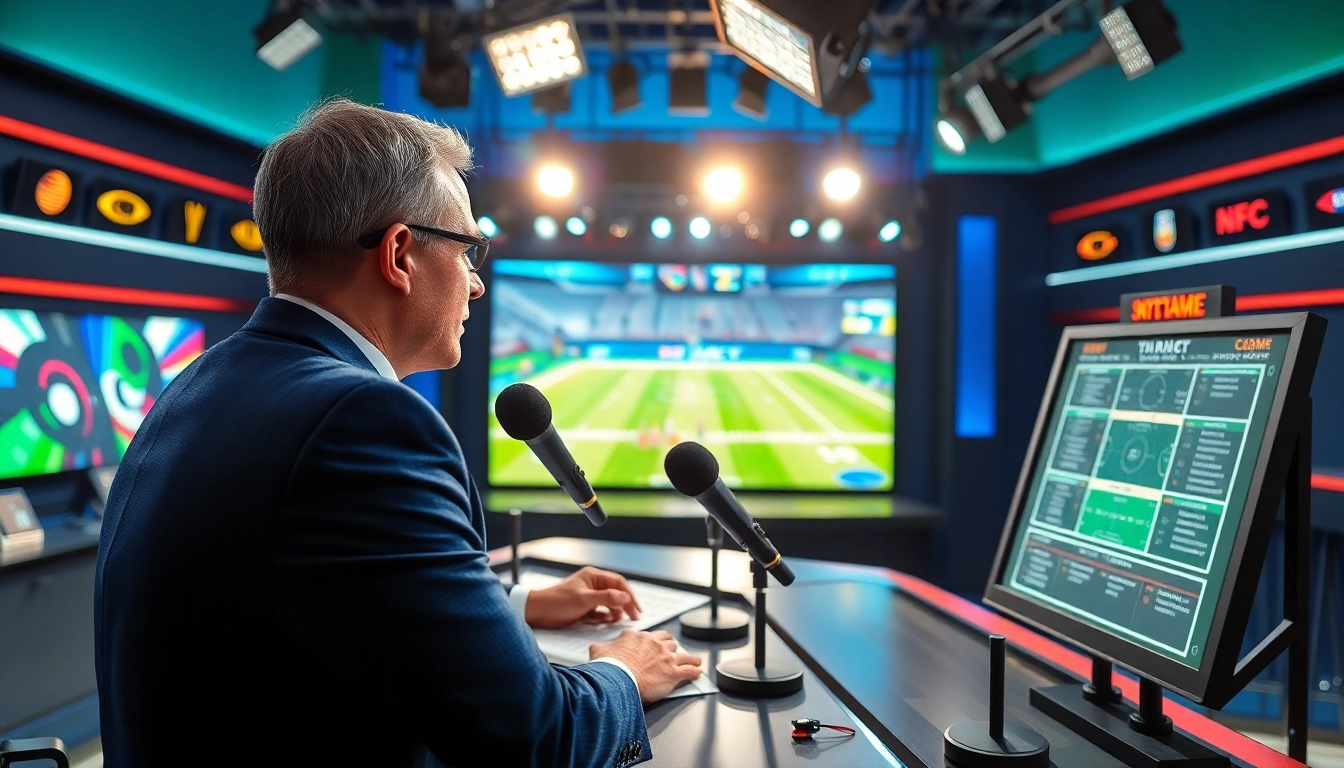
Introduction to Sports Broadcasting
Sports Broadcasting is a dynamic field bridging the ever-evolving intersection of technology, entertainment, and viewer engagement. With the proliferation of digital platforms and advances in transmission technology, sports fans now enjoy unparalleled access to live events, analyses, and interactive experiences. Understanding the intricacies of Sports Broadcasting is essential for anyone looking to thrive in this competitive arena.
The Evolution of Sports Broadcasting
The history of sports broadcasting can be traced back to the early 20th century, primarily through radio broadcasts. As technology advanced, television became the dominant medium, revolutionizing how fans experienced sports events. The rise of cable networks expanded sports coverage, introducing specialized channels dedicated to various sports genres. Recently, the shift towards online streaming and mobile accessibility has further transformed the landscape, allowing users to consume content on their own terms.
Key Players in the Sports Broadcasting Industry
Within the realm of sports broadcasting, several key players contribute to its success. These include major television networks, streaming services, sports teams, and leagues, each playing a unique role in the distribution and monetization of content. In addition, tech companies providing innovative solutions and analytics tools have gained prominence, optimizing viewer engagement and offering advanced metrics to broadcasters.
Understanding Your Audience in Sports Broadcasting
Understanding the audience is paramount in sports broadcasting. Demographics such as age, gender, and geographic location significantly influence content delivery. Engaging with the audience through surveys and social media interactions not only enhances the broadcasting experience but also provides invaluable insights for tailored content. Broadcasters can develop programming that resonates with specific audience segments, ultimately enhancing viewer satisfaction and loyalty.
Essential Equipment for Effective Sports Broadcasting
Microphones and Audio Equipment
Clear audio is fundamental in sports broadcasting. High-quality microphones and audio equipment are essential to capturing crisp commentary, interviews, and ambient sounds. Depending on the environment, different types of microphones, such as lavaliers for field interviews and shotgun microphones for commentary, should be employed to maximize effectiveness. Sound mixing consoles also play a significant role in enhancing audio quality, ensuring a seamless viewer experience.
Cameras and Video Gear
Visual elements are equally essential, and the right camera setup is crucial in sports broadcasting. Professional-grade video cameras with capabilities for high-definition recording and slow-motion playback are standard in the industry. Additionally, using multiple camera angles provides a more immersive experience for viewers. Innovations like drone cameras offer stunning aerial perspectives that capture movements and stadium atmosphere, enriching broadcasts further.
Broadcasting Software and Tools
Behind the scenes, sophisticated broadcasting software and tools streamline video production and distribution. Software solutions for live editing, graphics overlay, and instant replay serve to create stunning broadcasts in real time. Familiarity with these technologies not only enhances storytelling but ensures that broadcasters can adapt to unexpected events that might occur during live events, maintaining professionalism and audience engagement.
Techniques for Effective Sports Commentary
Storytelling and Narrative Building
Effective sports commentary transcends mere play-by-play narration; it encompasses storytelling. Building narratives around teams and players adds depth to the viewers‘ experience. Commentators should weave context and background into their assessments, drawing on the history and rivalry between teams, player performances, and impactful storylines that resonate with audiences. Employing a narrative can evoke emotions, making pivotal moments more memorable.
Engaging Your Audience with Statistics
Statistics not only inform viewers but also enhance their understanding of the game. Broadcasters should skillfully integrate stats into their commentary, using them to highlight key performances and trends. Infographics during telecasts and on-screen graphics can also provide real-time data, helping audiences visualize complex information and maintain engagement throughout the broadcast.
Developing a Unique Broadcasting Style
Every successful commentator develops a unique broadcasting style that sets them apart. Elements such as tone, pace, and use of anecdotes play a significant role in shaping individual style. Practicing delivery and experimenting with varied formats can help broadcasters find their distinctive voice. A unique style fosters a strong connection with audiences, turning occasional viewers into loyal fans.
The Role of Technology in Sports Broadcasting
Live Streaming Innovations
Live streaming has transformed sports broadcasting, breaking geographical barriers and allowing global audiences to tune in. Platforms enabling multi-camera views, instant replays, and personalized content are enhancing the viewer experience. Innovations such as 4K streaming and adaptive bitrate streaming ensure that viewers enjoy high-quality visuals, pivotal to retaining audience interest over time.
Social Media Integration for Engagement
Integrating social media into sports broadcasting significantly enhances viewer engagement. Platforms like Twitter, Instagram, and TikTok allow broadcasters to interact with viewers through live polls, behind-the-scenes content, and real-time updates. This integration also offers opportunities for audience-generated content, where fans can share their perspectives and insights, creating a community around the broadcast.
Augmented Reality and Sports Broadcasting
Augmented reality (AR) is emerging as a game-changer in sports broadcasting, enhancing the viewing experience through immersive visuals. AR can visualize stats and player information dynamically during the live broadcast, allowing fans to gain deeper insights into the game. Employing AR technology makes broadcasts more engaging and aids in making complex strategies more understandable for casual viewers.
Measuring Success in Sports Broadcasting
Key Performance Indicators and Metrics
Success in sports broadcasting can be quantified through key performance indicators (KPIs) such as viewership ratings, audience retention, engagement levels, and social media interactions. Establishing clear metrics aligned with goals allows broadcasters to assess their performance effectively. Understanding which metrics matter and how they align with content strategy enables more focused efforts for future broadcasts.
Collecting Audience Feedback
Audience feedback plays a vital role in refining sports broadcasting efforts. Utilizing surveys, focus groups, and social media interactions provides broadcasters with direct insights into viewer preferences and areas for improvement. Additionally, analyzing viewer comments during broadcasts can inform future programming and help identify what resonates most with the audience.
Adapting to Trends in Sports Broadcasting
The sports broadcasting landscape is continually evolving, and staying attuned to industry trends is essential. Embracing changes such as digitalization, evolving viewer habits, and advancements in technology are crucial for staying competitive. Regularly reviewing industry reports and case studies will help broadcasters identify emerging patterns and adapt to continually meet the demands of their audience.
Frequently Asked Questions about Sports Broadcasting
What qualifications do I need to work in sports broadcasting?
While a degree in communications, journalism, or a related field is beneficial, skills such as writing, public speaking, and familiarity with broadcasting technology are crucial. Experience and networking are equally important for opportunities.
How can I improve my sports commentary skills?
Practice is key. Analyze successful broadcasters, take writing or speaking courses, and seek feedback from peers. Engaging in sports discussions enhances understanding and builds confidence in delivering commentary.
What are the biggest challenges in sports broadcasting?
Common challenges include the fast-paced nature of live events, technical issues, and the need for real-time audience engagement. Broadcasters must be adaptable and quick-thinking to overcome these obstacles.
How important is audience engagement in sports broadcasting?
Audience engagement is critical for retaining viewers and building loyalty. Engaging content, interactive elements, and responsiveness to viewer feedback significantly enhance the overall broadcasting experience.
What trends should I watch in sports broadcasting?
Key trends include the rise of streaming services, integration of AR/VR technologies, and increased focus on personalized content tailored for individual audience preferences. Keeping abreast of these trends is essential for success.